KRA-Approved eTIMS/ETR Machines in Kenya: Prices & Types (2026)
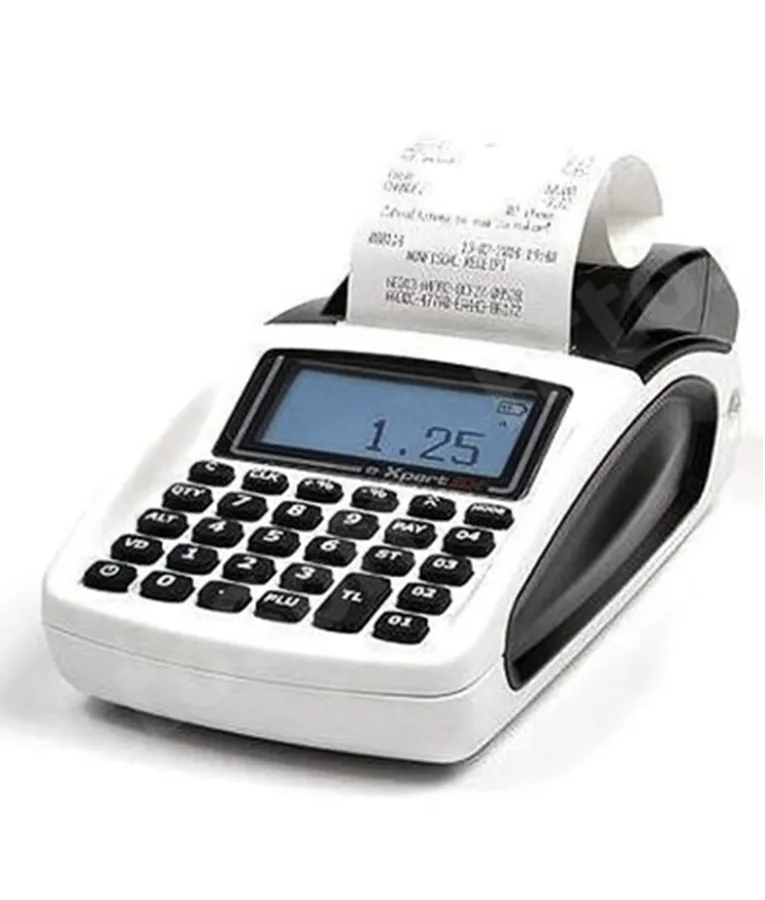
A KRA-approved eTIMS/ETR machine records every sale and transmits the tax invoice to KRA in real time — a legal requirement for VAT-registered businesses in Kenya. The same device is called an ETR, an eTIMS machine, or sometimes mistyped as an "ATR machine", but it's one compliance obligation underneath. For most shops, restaurants and service businesses the practical answer is a standalone Type A ETR, bought outright from a KRA-approved supplier who registers it with KRA for you — Bititec stocks two, the Daisy Expert SX and Android CS30, from branches in Nairobi, Mombasa, Embu and Meru.
This guide covers what changed from ETR to eTIMS, who needs a device, the device types on the market, what they cost, and how to choose and buy one.
From ETR to eTIMS: what actually changed
For years, KRA required VAT-registered businesses to issue receipts through an Electronic Tax Register (ETR) — a standalone till that recorded and stored sales data. KRA has since rebranded and expanded this under the eTIMS (electronic Tax Invoice Management System) umbrella, which broadens how a business can transmit invoices to KRA — not just through a dedicated till, but through compatible software and devices that report to KRA in real time.
In practice, both terms are still used interchangeably by suppliers and buyers, and that's deliberate — a modern KRA-approved eTIMS/ETR machine satisfies the same underlying requirement: every sale is recorded and transmitted to KRA as it happens. If you're shopping for a device today, you'll see it listed either way, and it's the same compliance obligation underneath.
Who actually needs one
Any VAT-registered business in Kenya issuing tax invoices is expected to do so through a compliant eTIMS/ETR channel. In practice, that covers a wide range of day-to-day businesses:
- Retail shops, supermarkets and mini-marts
- Restaurants, cafés and bars
- Pharmacies and hardware stores
- Salons, spas and service businesses
- Wholesalers and distributors
- Any other VAT-registered trader issuing receipts to customers
Because the exact registration thresholds and obligations can be updated by KRA, and vary by business structure, always confirm your specific obligation directly with KRA or your tax advisor rather than relying on a general guide like this one. What this article can help with is the equipment side once you know you need a device.
The device types you'll see
When you're comparing eTIMS/ETR options, suppliers typically group devices into a few types:
- Type A — standalone ETR. A dedicated till-style device that records sales, prints a receipt, and transmits invoice data to KRA on its own — no separate computer or POS system required. This is the most common choice for retail counters, shops and service businesses that want a simple, self-contained solution.
- Type B — fiscal printer. A receipt printer that plugs into an existing POS or computer system and handles the fiscal (KRA-compliant) side of printing and transmission, while your existing software handles sales and stock.
- Type C — Electronic Signature Device (ESD). A compliance module that signs and transmits invoice data generated by other software, without necessarily printing a receipt itself — used where invoicing happens through an existing business system.
- Type D — software-based eTIMS. Invoicing handled through KRA-compliant software rather than a dedicated physical till, suited to businesses that already invoice electronically.
Most small and medium retail or service businesses — a shop, salon, restaurant or pharmacy — are well served by a Type A standalone ETR: it's the simplest to set up, doesn't depend on a separate POS system, and is the type Bititec stocks and supports directly.
What to look for in a standalone ETR
Not all standalone ETR units are the same. When comparing devices, look at:
| What to check | Why it matters |
|---|---|
| KRA approval & TIMS-readiness | The device must be certified to transmit compliant invoices to KRA — don't buy an uncertified unit. |
| Connectivity options | WiFi, 3G/4G and Ethernet support means the device can keep transmitting even if one connection type is down. |
| Offline storage | A device that stores transactions locally when connectivity drops, then syncs once it's back, avoids lost or delayed invoices. |
| Receipt printing | Built-in thermal printing for instant, durable receipts at the counter. |
| Display | A clear operator display (and ideally a customer-facing display) speeds up daily use. |
| Support & setup | Whether the supplier assists with initial KRA registration and setup, not just the hardware sale. |
Bititec's range includes the Daisy Expert SX ETR, a KRA-approved, TIMS-ready standalone unit with WiFi, 3G/4G and Ethernet connectivity, offline transaction storage, and built-in thermal printing — see the Daisy Expert SX ETR product page for full specifications. For businesses that want a more modern, touchscreen-driven till, the Android CS30 ETR pairs the same KRA-approved compliance with an Android-based octa-core processor, a 6-inch HD touchscreen, NFC/contactless card support and a built-in thermal printer — see the Android CS30 ETR page.
How much does an ETR machine cost in Kenya?
The price of a KRA-approved ETR machine depends mainly on the device type. A standalone Type A ETR — the self-contained till most shops, restaurants and service businesses use — is the simplest and most affordable starting point, because it doesn't need a separate POS system or extra integration. Fiscal printers (Type B), electronic signature devices (Type C) and software-based eTIMS (Type D) can cost more, since they're specified around an existing business system.
The two standalone units Bititec stocks and supports directly — the Daisy Expert SX ETR and the Android CS30 ETR — are its most popular choices for small and medium businesses. Because the right price depends on the unit, the number of tills you're equipping and any setup and KRA-registration support you need, Bititec provides a current quote on enquiry rather than a fixed list price. Get in touch for current pricing and availability.
Buying from an authorised supplier
Compliance doesn't stop at the sale. An eTIMS/ETR machine needs to be correctly registered with KRA and configured before it's actually compliant in use, and it needs after-sales support if something goes wrong at the till. That's the case for buying from an established, KRA-approved supplier rather than the cheapest unverified listing you can find:
- Every ETR machine Bititec sells is KRA-approved and TIMS-ready out of the box, with real-time invoice transmission over WiFi, 3G/4G or Ethernet.
- Bititec's team assists with initial KRA registration and setup, so your device is compliant from day one rather than left to figure out alone.
- With branches in Nairobi, Mombasa, Embu and Meru, support and servicing are available close to wherever you trade.
- After-sales servicing and repairs are handled by the same team that sold you the machine — useful if your till ever needs attention during trading hours.
Buying your ETR machine
An ETR machine is bought outright — it isn't leased or hired. Unlike bigger office equipment such as photocopiers, which Bititec also offers on hire or lease, a compliance till is a relatively modest, one-off purchase, so buying it outright is the norm. If you're equipping a new branch or several tills at once, Bititec's team can advise on the most sensible way to roll them out and get each device registered with KRA; see our contact page to discuss your requirements.
Frequently Asked Questions
Is ETR the same as eTIMS? They describe the same underlying KRA compliance requirement — issuing electronic tax invoices that are transmitted to KRA. "eTIMS" is KRA's newer, broader branding; "ETR" refers to the classic standalone till. Suppliers use both terms for the same class of compliant device.
Which device type should I choose? For most shops, restaurants and service businesses, a standalone Type A ETR is the simplest option — it works on its own without needing a separate POS system. Businesses already running POS or invoicing software may be better served by a fiscal printer (Type B) or software-based eTIMS (Type D). If you're unsure, it's worth confirming your setup with your supplier or KRA directly.
Does Bititec help with KRA registration? Yes — Bititec's team assists with the initial KRA registration and setup for every ETR machine sold, so the device is compliant and transmitting correctly from day one.
How much is an ETR machine in Kenya? The cost depends on the device type — a standalone Type A ETR, the kind most shops and service businesses use, is the simplest and most affordable option, while fiscal printers and software-based setups can cost more. Bititec's standalone units, the Daisy Expert SX and Android CS30, are quoted on enquiry, since the price depends on the unit, quantity and any setup and KRA-registration support required. Contact Bititec for a current quote.
Ready to buy a compliant ETR machine?
Browse Bititec's range of KRA-approved eTIMS/ETR machines, including the Daisy Expert SX and Android CS30, or get in touch and our team will help you choose the right device and get it registered with KRA.
Browse KRA-approved eTIMS/ETR machines from Bititec — buy from an authorised supplier with branches in Nairobi, Mombasa, Embu and Meru.
Shop KRA-Approved ETR Machines →

Kenya's trusted supplier of office electronics, printers, copiers, and KRA-approved eTIMS/ETR machines — with branches in Nairobi, Mombasa, Embu, and Meru.
© 2026 Bititec Systems & Supplies Limited. All rights reserved.